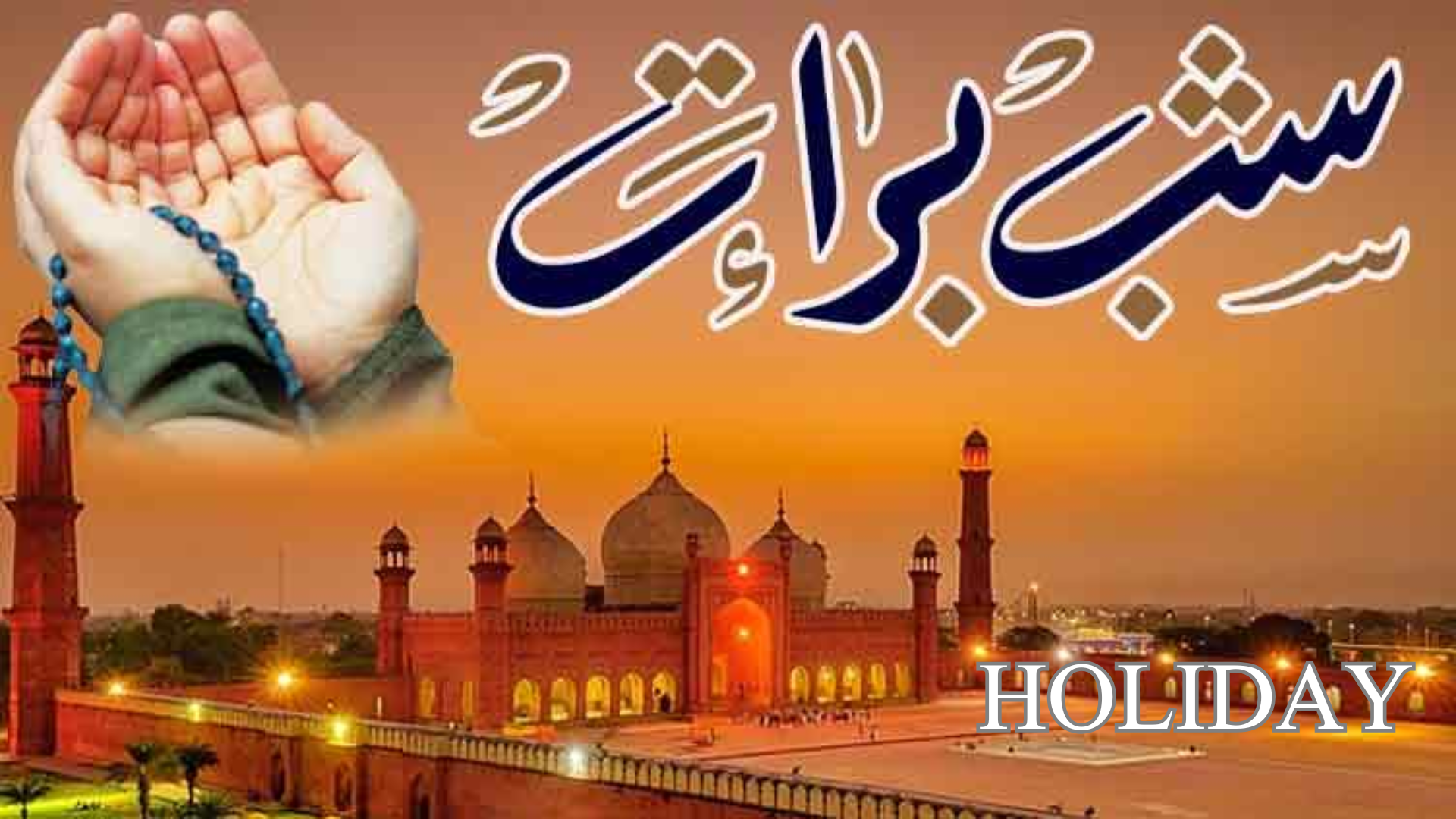
Great news for residents of Punjab! The provincial government has officially declared Wednesday, February 4, 2026, a public holiday throughout the province.
This announcement comes as millions of Muslims prepare to observe Shab-e-Barat, one of the most spiritually significant nights in the Islamic calendar.
The decision has sparked waves of joy across communities. Families can now participate fully in religious observances without work constraints.
Let me walk you through everything you need to know about this important announcement.
Quick Overview: Punjab Holiday Announcement
| Detail | Information |
|---|---|
| Holiday Date | Wednesday, February 4, 2026 |
| Occasion | Shab-e-Barat (15th Shaban 1447 Hijri) |
| Issuing Authority | Services & General Administration Department (S&GAD), Punjab |
| Scope | All government offices, institutions, and educational establishments |
| Geographic Coverage | All districts of Punjab province |
| Also Observing | Sindh province (educational institutions) |
| Islamic Date | 15th night of Shaban 1447 |
Official Notification Details
What the Punjab Govt Announces Public Holiday on Shab-e-Barat 4 February 2026 Covers
The Services and General Administration Department has issued a comprehensive notification.
Here’s what will remain closed:
- All government offices under Punjab administrative control
- Autonomous bodies and semi-autonomous institutions
- Government corporations across the province
- Local councils throughout Punjab
- All educational institutions – both government and semi-government
- Private schools (as per separate educational department guidelines)
This uniform application ensures that citizens in every district can observe the night without hindrance.
The Director General of Public Relations has been directed to publicize this decision widely through both English and Urdu newspapers.
Electronic media will also broadcast the notification to ensure timely awareness.
Understanding Shab-e-Barat: The Night of Forgiveness
H3: What Makes This Night So Special?
Shab-e-Barat translates directly to “The Night of Forgiveness” in Persian and Urdu.
It falls on the 15th night of Shaban, the eighth month in the Islamic calendar.
Muslims worldwide believe this is when divine mercy descends abundantly upon believers.
According to Islamic tradition, Allah reviews the deeds of His creation during this blessed night. Destinies for the coming year are believed to be written based on past actions.
The night represents a powerful opportunity for spiritual renewal.
Traditional Observances in Pakistan
Pakistani Muslims have rich traditions for marking this occasion:
Prayer and Worship:
- Offering Nawafil (voluntary prayers) throughout the night
- Reciting the Holy Quran with devotion
- Making sincere supplications for forgiveness
Community Activities:
- Visiting graves of deceased loved ones
- Lighting candles and lamps at mosques
- Preparing and distributing sweets among neighbors
- Giving charity to the poor and needy
Personal Reflection:
- Seeking forgiveness for past sins
- Praying for sick family members
- Asking for blessings for the year ahead
Many devotees choose to fast the following day, though this remains optional.
Why the Punjab Govt Announces Public Holiday on Shab-e-Barat 4 February 2026
Facilitating Religious Freedom
The government’s decision reflects deep respect for citizens’ religious obligations.
By declaring a public holiday, authorities ensure that people can fully participate in spiritual activities.
No one needs to choose between work duties and religious observances.
This thoughtful gesture strengthens community bonds and allows families to worship together.
Security and Administrative Arrangements
The Auqaf Department has received special directives for this occasion.
Authorities must ensure proper arrangements considering expected crowds at:
- Mosques throughout the province
- Shrines and religious sites
- Graveyards where people visit deceased relatives
Special security measures will prevent any untoward incidents during the celebrations.
Traffic management plans will also be implemented to handle increased movement.
Public Reaction and Community Response
Wave of Appreciation
Citizens have expressed overwhelming gratitude for the announcement.
Social media platforms are buzzing with positive reactions from Punjab residents.
The decision allows families to observe traditions together without rushing through devotions.
Working professionals particularly welcome this opportunity to participate fully in night-long prayers.
Students and parents also appreciate the educational institutions’ closure, enabling young people to learn about their religious heritage.
Expectations for Peaceful Celebrations
The administration is expected to make comprehensive arrangements ensuring peaceful observance.
Community leaders anticipate increased attendance at mosques and shrines.
Local authorities are preparing for higher foot traffic at graveyards as families visit their departed loved ones.
Religious scholars will deliver special sermons about the significance of seeking forgiveness.
Comparison with Other Provinces
Sindh’s Approach
Sindh government has also declared February 4, 2026, a holiday, though specifically for educational institutions.
The School Education & Literacy Department issued this notification following a sub-committee meeting.
Both public and private schools under the department’s jurisdiction will remain closed.
This decision followed deliberations from a Steering Committee meeting held in November 2024.
National Pattern
While federal offices follow their own calendar, provincial governments have autonomy for such declarations.
This year sees both major provinces – Punjab and Sindh – aligning their decisions.
This coordination ensures maximum participation across Pakistan’s most populous regions.
Spiritual Significance and Scholarly Perspectives
Different Viewpoints Among Scholars
Islamic scholars hold varying perspectives on Shab-e-Barat’s observance.
Supporting Viewpoint: Prominent scholars like Imam Shafii, Imam Nawawi, and Imam Ghazali recognized this night’s merit. They encouraged prayers and supplications during mid-Shaban.
Imam Nawawi quoted that this ranks among five nights when prayers receive special acceptance.
Cautious Approach: Some scholars emphasize that specific rituals should be based on authentic prophetic traditions.
They encourage general worship but caution against innovations without clear religious basis.
Common Ground: Most agree that sincere worship, prayer, and seeking forgiveness are always virtuous, regardless of differing interpretations about this specific night.
Practical Tips for Observing Shab-e-Barat
How to Make the Most of This Night
Start with Intention: Begin with sincere intention to seek Allah’s forgiveness and mercy.
Engage in Worship:
- Perform ritual purification (ghusl)
- Offer extra voluntary prayers
- Recite Quran with understanding
- Make heartfelt supplications
Show Compassion:
- Distribute food among the needy
- Give charity to deserving causes
- Visit sick relatives or neighbors
- Pray for deceased family members
Maintain Dignity: Focus on worship rather than excessive celebrations or entertainment that might distract from spiritual reflection.
Impact on Daily Life and Services
What Remains Open?
While government offices close, essential services continue:
- Hospitals and emergency medical facilities
- Police and security services
- Utility services (electricity, water, gas)
- Essential transport services
Private sector businesses may operate according to their own policies, though many choose to close or reduce hours.
Planning Your Day
With the holiday falling on Wednesday, many families are planning overnight worship sessions.
Mosques are preparing for increased attendance with special arrangements.
Markets selling traditional sweets and foods will likely see heightened activity on February 3rd.
Historical Context of Shab-e-Barat in Pakistan
A Long-Standing Tradition
Pakistan has observed Shab-e-Barat since its inception in 1947.
The tradition reflects the country’s Islamic identity and cultural heritage.
Over decades, government recognition through holidays has strengthened this observance.
Different regions have developed unique local customs while maintaining core spiritual practices.
Evolution of Official Recognition
Provincial governments have consistently recognized important Islamic occasions.
This year’s announcement continues that tradition, showing government responsiveness to citizens’ religious needs.
The formal notification process ensures transparency and adequate public awareness.
Frequently Asked Questions (FAQs)
When is Shab-e-Barat 2026 in Pakistan?
Shab-e-Barat falls on the night between February 3rd and 4th, 2026. The holiday itself is declared for Wednesday, February 4th, following the Islamic date of 15th Shaban 1447 Hijri.
Which institutions are closed on this holiday?
All government offices, autonomous bodies, government corporations, local councils, and both government and semi-government educational institutions across Punjab will remain closed. Many private schools also observe this holiday.
Is this holiday only in Punjab?
No, Sindh province has also declared a holiday for educational institutions on the same date. Other provinces may make separate announcements based on their administrative decisions.
What should I do on Shab-e-Barat night?
Muslims traditionally spend the night in prayer, Quran recitation, and seeking forgiveness. Many also visit graves of loved ones, give charity, and distribute sweets among neighbors. The focus should remain on sincere worship and spiritual reflection.
Will banks be open on February 4, 2026?
Bank holidays typically follow federal and provincial government calendars. It’s advisable to check with your specific bank, though most are likely to observe this provincial holiday in Punjab.
Can I still access emergency services?
Yes, all essential and emergency services including hospitals, police, ambulance services, and utilities continue operating normally during the holiday.
Is fasting recommended on this day?
While not mandatory, many Muslims choose to fast on the 15th of Shaban. This practice has historical precedent, though it remains optional. Some scholars recommend fasting on the 13th, 14th, and 15th of Shaban as “white days.”
How is Shab-e-Barat different from Laylatul Qadr?
Laylatul Qadr (Night of Power) occurs during the last ten nights of Ramadan and is explicitly mentioned in the Quran. Shab-e-Barat falls in Shaban and has different traditions associated with it. Both are considered spiritually significant nights for prayer and worship.
Conclusion: A Moment for Spiritual Renewal
The Punjab Govt announces public holiday on Shab-e-Barat 4 February 2026 demonstrates thoughtful governance responding to citizens’ religious needs.
This decision allows millions to observe a deeply meaningful night without work constraints.
Whether you spend it in prayer at mosques, visiting graves of loved ones, or in quiet reflection at home, the opportunity is now yours.
The government has shown respect for religious freedom while ensuring administrative support through security and public arrangements.
As we approach this blessed night, let’s use it wisely. Focus on sincere repentance, heartfelt prayers, and acts of charity.
Remember, the true spirit lies not in celebration alone but in spiritual renewal and seeking divine mercy.
May this Shab-e-Barat bring forgiveness, blessings, and peace to all who observe it with sincere hearts.